Hoka QC Photos: Check Upper, Sole, and Size
## The Pre-Purchase Verification Task This hoka Shoe QC Guide Aims to Solve If you're planning to buy [hoka shoes](https://fashion-reps.net/shoes/hoka), QC photos are not meant to determine "authenticity" or guarantee durability for you. Instead, they help you spot visible issues with style, color, workmanship, and size evidence before shipment. Before examining photos, clarify three things: which item the photos correspond to, what angles were captured, and what information is still missing. Th
Published Oct 12, 2026 ·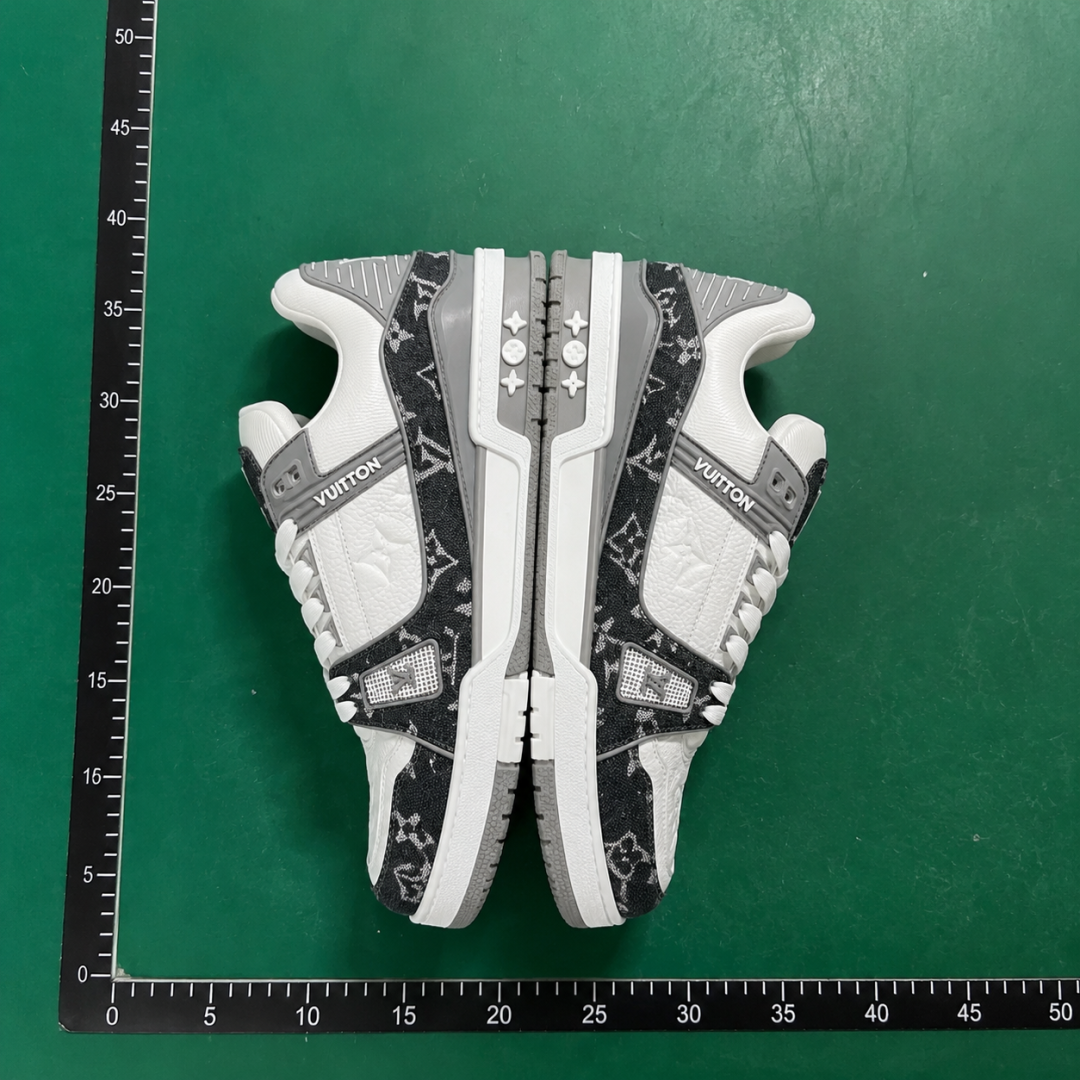
The Pre-Purchase Verification Task This hoka Shoe QC Guide Aims to Solve
If you're planning to buy hoka shoes, QC photos are not meant to determine "authenticity" or guarantee durability for you. Instead, they help you spot visible issues with style, color, workmanship, and size evidence before shipment. Before examining photos, clarify three things: which item the photos correspond to, what angles were captured, and what information is still missing.
This article only discusses evidence that can be directly observed in the photos. You can request re-inspection of the upper, sole, stitching, prints, hardware, and defects, but you cannot confirm authenticity, material performance, or long-term quality based solely on photos.🔎
Lock in Style, Color, Size, and Page Timestamp from the fashionreps Product Detail Page
First, open the specific product detail page on fashion-reps. Do not judge based solely on the homepage, brand page, or category page. Record the product name, style, color, size options, and page display time. If the product page lacks a clear name, or if colors and sizes are only represented by vague thumbnails, pause your judgment.
It's advisable to keep a pre-order record:
- Product name and specific style
- Colors and sizes listed on the page
- Selected size, foot shape, and usual size
- Material, sole, or structure descriptions on the page
- Page update time and the date you viewed the page
- Whether the product page explicitly provides a View QC Photos entry
Prices, inventory, shipping costs, service fees, and return/exchange conditions may change. This article does not treat them as fixed facts; always double-check the page and the shopping agent platform's display before placing an order.📅
Access the Actual QC Photo Gallery for the Corresponding hoka Item via View QC Photos
You must first confirm the item's identity on its corresponding product detail page, then click the button labeled View QC Photos on that page. Do not guess the QC address based on the product name, and do not use other items' photos as evidence for the current order.
The image provided by the system actually corresponds to the Louis Vuitton LV Trainer in White, not a hoka shoe:

The illustrated item is the Louis Vuitton LV Trainer in white, and the image can only serve as an example of "how to identify the corresponding product in QC photos." It cannot prove the color, size, stitching, or sole condition of any hoka shoe. If your order is for hoka, you must enter View QC Photos from that hoka item's own detail page and use the newly obtained original photos as the basis.⚠️
After entering the gallery, first check whether the photos show the style, colorway, and size label that match your order. If the gallery only displays similar styles, different colors, or a different pair, mark the evidence as mismatched rather than applying conclusions further.
What Visible Evidence to Record for the Upper, Collar, Lace Area, and Left-Right Symmetry
When checking the upper, it's recommended to record each shoe separately, not just look at one frontal photo.
- Color: Are the left and right shoes noticeably different in color under the same lighting? Also, be aware that lighting conditions may cause color differences.
- Upper panels: Are the seams continuous, and are the corresponding positions on the left and right shoes roughly consistent?
- Stitching: Are there obvious skipped stitches, broken threads, crooked lines, or loose thread ends?
- Collar and tongue: Is the padding visibly collapsed, and can the labels, prints, and their positions be clearly read?
- Lace area: Are the eyelets, lace locks, and surrounding edges noticeably deformed or showing excess glue?
- Left-right symmetry: Are there large, visible differences in toe height, side profile, or decorative placement?
These observations can only describe the appearance in the photos. For example, "a noticeable thread end near the second seam on the outer side of the right shoe" is a visible record; "these shoes must not be durable" is an inference not proven by the photos.✅
If the photo resolution is insufficient to see the upper texture, labels, or stitching clearly, request close-up shots instead of zooming in on blurry pixels to fill in details. When requesting additional shots, ask for each shoe to be photographed from the outer side, inner side, toe, heel, tongue label, and sole connection area.
How to Compare Sole Tread, Edge Treatment, and Connection Areas with the Product Page Info
Sole inspection should include the bottom, side edges, and the connection with the upper. First, extract the descriptions of sole color, tread, thickness, or structure from the product page, then compare them item by item against the QC photos.
| Check Location | Visible Evidence | Situations Requiring Additional Photos or Follow-up |
|---|---|---|
| Sole tread | Is the tread continuous, and are there obvious missing or misaligned areas on the left and right shoes? | The bottom is not fully photographed, making it impossible to judge most of the tread. |
| Sole edges | Are there obvious excess glue, rough edges, gaps, or uneven pressing? | The side is obscured by shadows, and the edge cannot be read. |
| Upper-sole connection | Are there visible gaps, lifted edges, or large areas of residual glue? | Only frontal photos are taken, without side and heel angles. |
| Sole markings | Are the lettering, patterns, or size markings clear? | The markings are cropped, reflective, or severely out of focus. |
Do not treat the materials or technology names claimed on the product page as verified facts. QC photos can at most help you observe the appearance and some assembly conditions; they cannot prove cushioning performance, abrasion resistance, waterproofing, or wearing lifespan.🧭
How to Separately Verify Size Markings, Insole Length Data, and Page Options
Size verification is at least three layers: the selectable sizes on the page, the size markings inside the shoes, and actual measurement data. None of these can replace the others.
First, confirm whether the product page lists the size you selected, and what sizing system is used. Next, check whether the tongue label, inner size tag, or shoe box label in the QC photos shows the same size. Finally, if your foot shape or the shoe's fit is likely to affect comfort, request measurements of the insole length or inner shoe length, and clarify the measurement method.
Do not assume that a number on a label directly equals your foot length. Labels may use different size systems, and the measurement angle in the photos may cause misreading. If the page size, label, and measurements do not match, pause shipping and confirm with your shopping agent.
The Boundary Between Visible Photos and Editorial Judgment: Cannot Guarantee Authenticity or Quality
QC photos can support the following judgments: whether a certain angle was captured, whether a location shows obvious visible flaws, whether labels are readable, whether there are visible differences between the left and right shoes, and whether the photos match the product style.
QC photos alone cannot support the following conclusions: the product is definitely authentic, the materials definitely match the description, the sole is definitely durable, the shoes will definitely be comfortable, areas not photographed definitely have no problems, or returns/exchanges are definitely possible after receiving the product.
This article is written from an editorial perspective to compile verification methods, and does not imply that the editor personally purchased, received, wore, or tested the product. The LV Trainer example in the images does not constitute evidence for hoka products. If you do not have actual QC photos matching your hoka order, do not transfer any details from the example images to hoka shoes.📝
Requesting Additional Photos, Pausing Orders, and Final Action Checklist When QC Evidence Is Insufficient
When the photos are insufficient for judgment, you can make specific requests to your shopping agent:
- Please provide additional photos of each shoe's outer side, inner side, toe, heel, and full sole.
- Please clearly photograph the tongue label, inner size tag, and shoe box label, avoiding reflections and cropping.
- Please take close-up photos of suspected thread ends, excess glue, gaps, or indentations, along with an overview shot for location.
- Please provide measurement photos of the insole length or inner shoe length, and indicate the starting and ending points of measurement.
- Please confirm that the additional photos correspond to the current order, not the same style in another color or another buyer's item.
The final decision can be made in the following order:
- Product name, color, size, and QC photo identity are consistent.
- The upper, collar, lace area, and left-right symmetry have no unacceptable visible issues.
- Sufficient angle evidence has been obtained for sole tread, edges, and connection areas.
- Page size options, inner shoe markings, and measurement data do not clearly conflict.
- Keep written records for items that cannot be confirmed from photos, and ask the agent about return/exchange conditions before shipping.
If key angles are missing, the item identity does not match, size evidence conflicts, or defects may affect wearing, pause the order or shipping and first request additional photos and confirmation. This may increase waiting time but can reduce communication costs for returns due to insufficient evidence; it is not suitable for buyers who want immediate shipping and are willing to accept the risk of unverified appearance.
 By Marieke van DalenEditor-in-Chief
 Marieke van Dalen approves testing schedules, shipping-line timing tests and corrections at CSSBuy Tips. Setting the quarterly test calendar and maintaining the parcel bench log are paired with checking every published timing table against courier receipts. Marieke personally orders at least two agent test parcels per quarter and reviews QC photo sets before publication. Shopping agents, international parcel logistics and apparel sizing form the professional remit, while these duties connect test records and scheduling with the desk's editorial approval work.
Editor score 4.2 / 5